Plants & Flowers
Shade-Loving Plants for North-Facing Gardens: A Beginner's Checklist
A north-facing garden has a reputation problem. People inherit one, look at the cool grey border in February, and assume nothing will grow. Then they visit a mature shady garden in June and are quietly astonished by the size of the hostas, the gloss of the ferns, the way hellebores keep flowering when everything else is still waking up. Shade is not a limitation so much as a different set of rules, and once you learn them the planting almost does itself. What follows is a checklist rather than a lecture: the questions to ask before you buy anything, the plants that earn their place year after year, and the small habits that separate a border that sulks from one that fills out.
Read the Shade Before You Read the Plant Labels
"Shade" is a lazy word. A north-facing wall that gets two hours of low morning sun is a completely different garden from the dry, root-filled ground under a mature sycamore. Before you spend a penny, spend twenty minutes watching.
Note where sunlight lands and when. Check the same bed in March, June and September, because a deciduous tree gives you a bright spring window and then closes the curtains in May. Look at the ground itself: is the soil bare, mossy, or matted with roots? Roots tell you more about what will grow than any label ever will, because a plant competing with tree roots is really gardening in a drought.
A rough working vocabulary
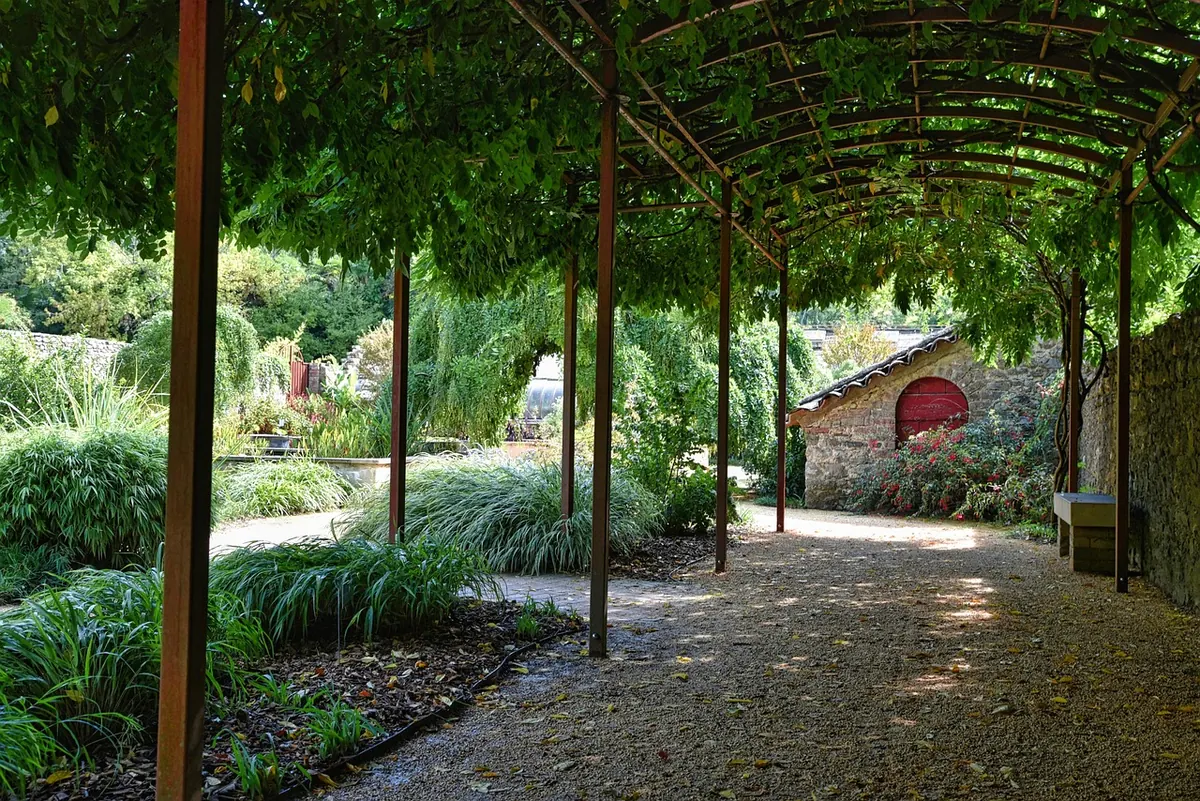
- Dappled shade — light filtered through leaves. The most generous kind; most woodland plants are happy here.
- Open north-facing shade — bright but sunless, with plenty of sky above. Far better than it sounds.
- Deep shade — under dense evergreens or against a north wall with overhanging eaves. A narrower plant list, but not an empty one.
- Dry shade — the hardest combination, usually under trees or beside a wall. Plan for it or plant in pots instead.
Ask Three Soil Questions Before Planting
Shade hides soil problems. You notice poor drainage in a sunny border because plants wilt in July; in a shady border the same waterlogging quietly rots roots all winter and you blame the plants.
Does water sit? Dig a spade-deep hole, fill it with water, and see how long it takes to drain. If it is still full the next morning, you have a drainage problem and no amount of hosta buying will fix it. Raise the bed, add grit and organic matter, or choose plants that tolerate wet feet.
How compacted is it? Shady ground is often walked on and rarely dug. Push a hand fork in. If it takes real effort, fork over the top few inches, working in leaf mould or garden compost, and keep off the bed while it is wet.
What is the pH and fertility like? You do not need a laboratory. Look at what already grows. Moss and sorrel suggest acidity; nettles suggest richer, more neutral ground. Most shade perennials are unfussy, but a light mulch of compost each spring does more for them than any feed.
Reliable Plants That Earn Their Keep
This list is deliberately dull in the best sense. Every plant here is widely available, tolerates low light, and survives a beginner's first winter. Start with half a dozen, plant them in groups of three rather than in ones and twos, and let them knit together.
- Hellebores (Helleborus hybrids) — evergreen, flowering from midwinter, unfussy about soil.
- Ferns — Dryopteris for dry shade, Athyrium and Matteuccia for damp. Structure without flowers.
- Hostas — happiest in damp shade; the thicker-leaved varieties resist slugs better.
- Epimedium — dry shade specialist, with delicate spring flowers and handsome foliage.
- Brunnera macrophylla — forget-me-not flowers, then silvered leaves that light up a dark corner.
- Pulmonaria — early flowers for bees and spotted foliage for the rest of the year.
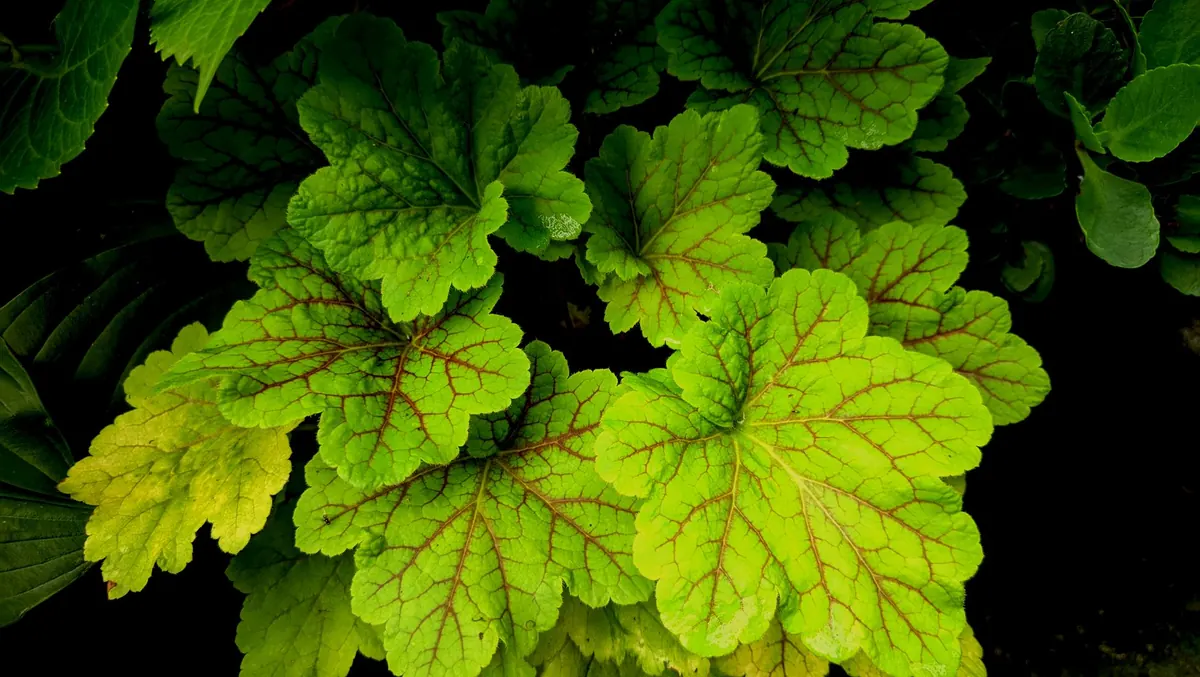
- Heuchera — grown for leaf colour, useful at the front edge of a border.
- Geranium macrorrhizum — tough, scented, excellent ground cover under trees.
- Tiarella and Heucherella — frothy spring flowers, good in dappled light.
- Sarcococca and Skimmia — small evergreens; sarcococca gives winter scent in deep shade.
- Snowdrops and Cyclamen hederifolium — bulbs for the bare months, best left undisturbed once planted.
- Liriope muscari — grass-like, drought-tolerant, with late spikes of violet.
One caution: variegated and silver-leaved plants and most grey-foliage herbs need sun to keep their colour. In shade they go green and leggy. Leave the lavender and the rosemary by the front path.
Dry Shade or Damp Shade? Match the Plant to the Ground
This is the question that decides whether your border thrives. Both are shade, but the plant lists barely overlap.
Under a big tree, with roots stealing every drop, treat it as dry shade. Epimedium, Geranium macrorrhizum, Dryopteris, Cyclamen hederifolium, sarcococca, mahonia and arum lilies will cope. Plant small, water them through their first two summers, and mulch to hold moisture. You will not be able to dig a large planting hole without damaging roots, so use the smallest plants you can find and tuck them into gaps rather than cutting through roots.
Where the ground stays cool and moist — a north wall with heavy soil, a bed beside a downpipe — you can be much more expansive: hostas, astilbe, rodgersia, ligularia, primulas, Brunnera, and hydrangeas if you have room. These plants will reward you with lush growth that sun-baked borders cannot match.
If you cannot decide which side of the line your garden sits on, plant epimedium and geranium first. If they establish easily, the ground is drier than you thought.
Planting, Step by Step
- Clear weeds, especially ivy and ground elder, before you plant. Both are far harder to remove once perennials are in the way.
- Fork over the top few inches and work in a couple of buckets of compost or leaf mould per square metre.
- Set the pots out in their positions and step back. Groups of three read better than a line of singletons.
- Plant at the same depth the plant sat in its pot, firm the soil, and water thoroughly even if rain is forecast.
- Mulch the bare ground with bark or compost, keeping it clear of stems and crowns.
- Water new plants properly for their first two growing seasons. This is the single most common reason shade plantings fail.
Mistakes Worth Avoiding
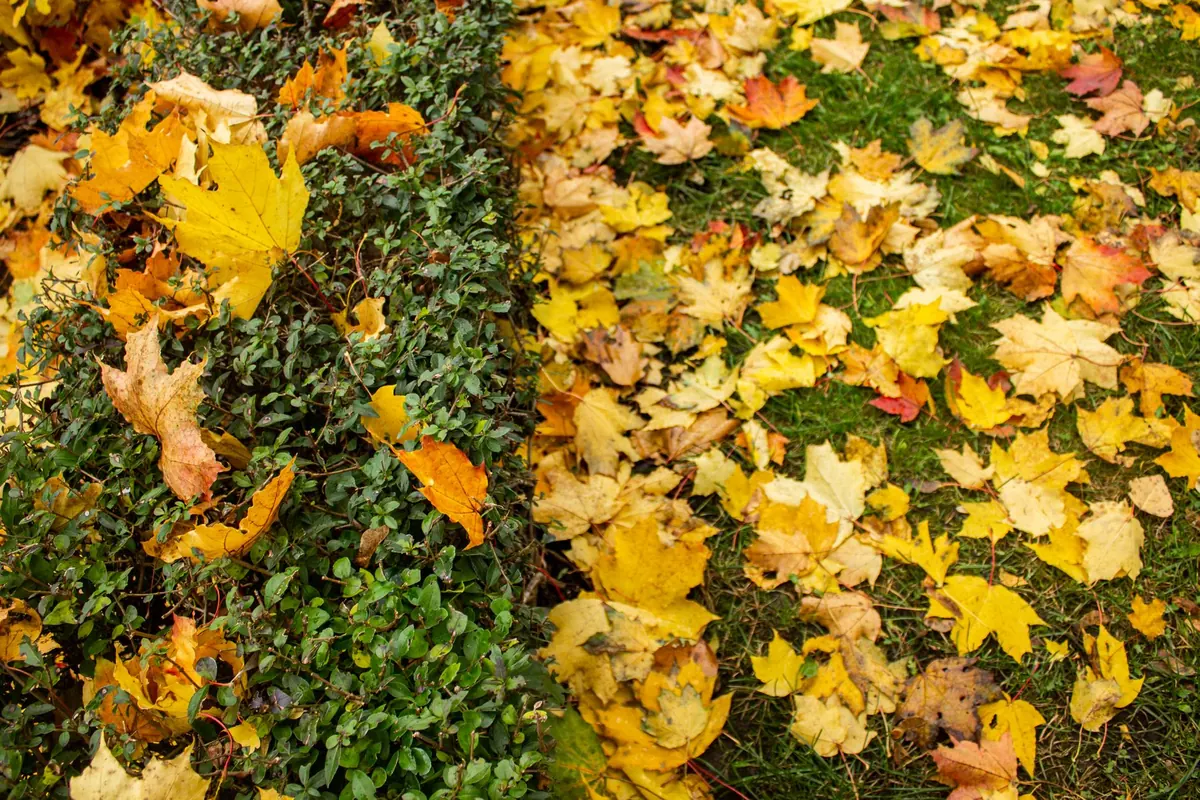
Do not tidy away every fallen leaf. A layer of leaves is free mulch, habitat and slow-release fertility, and woodland plants evolved with it. Rake paths clear and leave the borders alone.
Do not overwater in winter. Shade plus cold plus wet soil is a fatal combination for crowns and roots. Water in summer, mulch in autumn, and keep your hands in your pockets in January.
And do not expect instant results. Shade plants grow steadily rather than dramatically, investing in roots first. A border planted in autumn will look like nothing much for a year, then surprise you.
Your First Season: A Sensible Plan
Choose one north-facing bed, not the whole garden. Watch it for a fortnight, dig a drainage hole, and note whether the ground is dry or reliably damp. Then buy three tough plants for structure — hellebore, fern, sarcococca — and three for ground cover, such as epimedium, geranium and pulmonaria. Plant them in groups, water them through the first summer, mulch once, and leave them to settle. Add a handful of snowdrops in autumn and you will have something in flower from January onwards. Next year, with a clearer sense of what the bed does, you can be bolder. The plants will tell you what they need; your job is simply to ask the questions before you plant.
Photo: F 植生记 / Pexels
Related Articles