Gardening Tips

Raised Bed Soil Mix: Topsoil, Compost, and Drainage Compared
A raised bed looks finished the moment the last board is screwed into place. Then you stand there with a barrow and a heap of bags, wondering whether topsoil alone will do, how much compost is too much, and whether a layer of gravel really solves drainage. The mix you choose decides how the next few years go: how well roots breathe, how often you water, and whether your tomatoes sulk in July. Here is a plain comparison of the ingredients and the ratios that work.
What a Raised Bed Mix Has to Do
Roots want three things at once: a firm enough medium to anchor them, enough organic matter to hold water and nutrients, and enough air space between waterings. Get the balance wrong and you will feel it in summer. A bed that drains too fast needs watering twice a day; a bed that holds water turns sour, and the lowest leaves yellow first.
Think in three parts: a mineral skeleton (topsoil or loam), an organic engine (compost, leaf mould, aged manure), and a small portion of coarse material that keeps the whole thing open. Most home-made failures come from skipping the first part, overdoing the second, or forgetting the third.
The ground beneath matters too. A bed sitting on open soil drains freely and will be colonised by worms within a season. A bed on paving or concrete needs drainage holes and a mix that leans lighter.
Topsoil: The Skeleton
Topsoil is the cheapest way to fill volume and the easiest thing to get wrong. What's sold as topsoil varies wildly. Screened loam from a reliable supplier is dark, crumbly and smells of earth. Economy or fill topsoil may be subsoil mixed with rubble, which compacts like a car park and grows very little.
You can judge a lot with your hands. Squeeze a moist handful: if it forms a tight ball that smears when you rub it, the clay content is high, so use less of it and more coarse material. If it crumbles as you open your hand, the structure is workable. Look for stones, roots and anything resembling builder's waste.
Topsoil brings weight, stability and the mineral surfaces that hold water and nutrients. It also brings whatever weed seeds came with it, so a look before you buy is worth the trip. Ask whether it has been screened and blended with compost. In a raised bed, use it as the base rather than the whole fill — roughly half to 60 percent of total volume.
Compost: The Engine
Compost is where the life of the bed comes from. It holds water like a sponge, feeds worms and fungi, and releases nutrients as it breaks down. Well-rotted compost smells sweet and earthy, has no recognisable food scraps, and crumbles rather than clumps.
Mix your sources if you can. Homemade compost, leaf mould, aged manure, spent mushroom compost and bought green waste all behave slightly differently, and a blend hedges your bets. Mushroom compost is often alkaline, so go easy if you grow acid-lovers such as blueberries. Fresh manure can burn roots and sprout weeds; it needs stacking until dark and crumbly.
How much is too much
A bed filled entirely with compost looks wonderful in spring and disappointing by August. It shrinks dramatically as it decomposes, holds so much water that roots sit in a soggy pan, and some manure-based products are high in soluble salts. Around 30 to 40 percent of total volume is plenty, and slightly less is fine if your topsoil is already dark and rich.
Drainage and Aeration
Water has to be able to leave. In a bed open to the ground, gravity does most of the work and you need only enough coarse material to stop the mix slumping into a dense mass. On concrete, drainage becomes a design question first and a mix question second.
- Perlite — light, white, expanded volcanic glass. Excellent for aeration in compost-heavy mixes, though it floats and works its way upward over the years.
- Coarse bark fines — cheap and effective, and they decompose slowly, so you top up now and then. Good where the mix must stay open.
- Horticultural grit or pumice — heavier and more stable. Useful in windy spots and for plants that hate wet roots.
- Sharp sand — fine in moderation for very light mixes, but don't use it to open up heavy clay; you get a dense, concrete-like blend instead.
Skip the gravel layer at the bottom of the bed. It doesn't improve drainage; it raises the water table inside the mix and shrinks the root zone you paid for. If the frame sits on concrete, drill drainage holes and let the bed slope very slightly towards them.
Ratios That Work
No single mix suits every crop, but a reliable starting point for vegetables and flowers is:
- 50–60% screened topsoil or loam
- 30–40% compost, ideally from two or three sources
- 10% coarse aeration material — perlite, bark fines, grit, or a blend
A lighter, topsoil-free version uses equal parts compost, peat or coir, and vermiculite. It handles beautifully and gives roots plenty of air, but it holds fewer minerals, so plan on feeding and topping up. Coir and composted bark are sensible substitutes for peat.
Then fill the bed:
- Add a coarse layer only if the bed sits on a hard surface. On open soil, start straight in.
- Mix the ingredients on a tarpaulin or in the barrow before they go in. Layers that look tidy in spring stay layered for years.
- Fill to about 5cm above the level you want, because the mix settles by roughly that much in the first season. Water as you go to find the true level.
- Water thoroughly, then wait a week before planting. This settles the mix and shows you where it needs topping up.
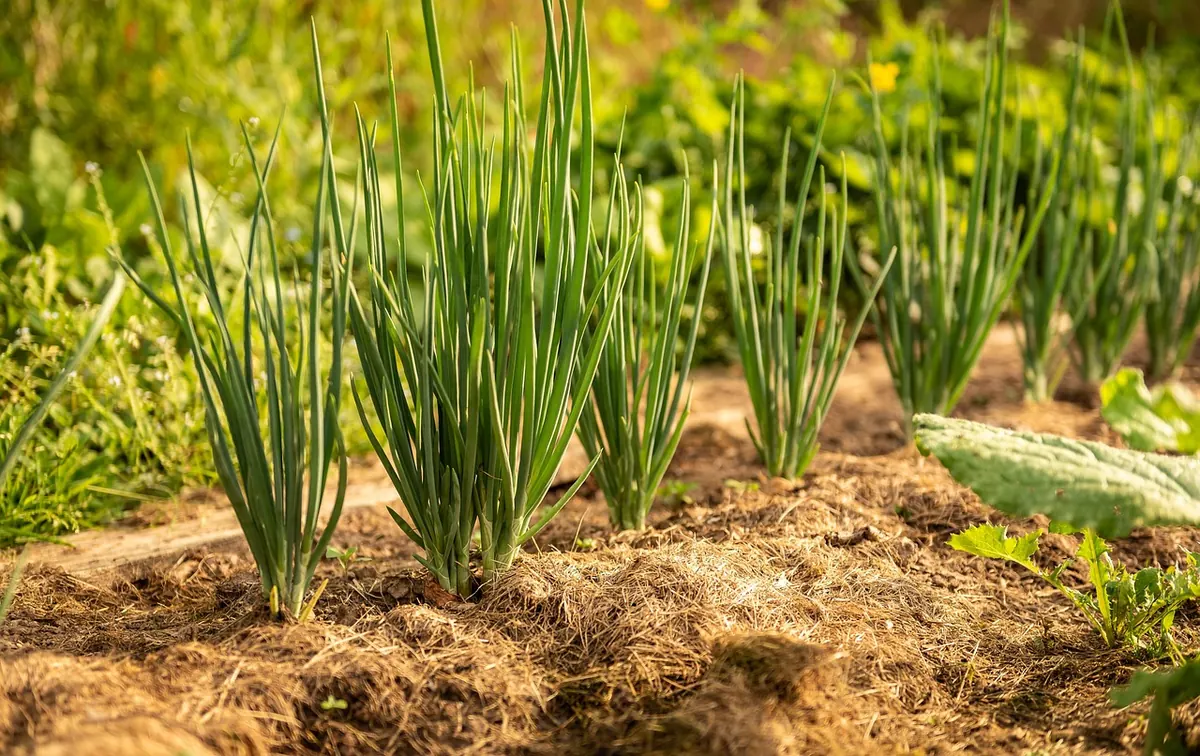
- Mulch the surface with 5cm of compost or straw after planting to hold moisture and stop the soil crusting.
For a bed 1.2m by 2.4m and 30cm deep you need close to a cubic metre of mix, so order by volume rather than weight and add a little spare.
Mistakes and Yearly Upkeep
A few problems turn up again and again. Filling a bed to the brim in spring leaves it looking half empty by autumn. Digging the mix over every year destroys the structure you've built; a light fork-over and a fresh layer of compost is enough. Growing the same hungry crop in the same spot season after season draws nutrients down, so move beans, brassicas, roots and tomatoes or flowers between sections.
Top up with 2–5cm of compost each spring, more where the level has dropped. In beds built on a coarse mix, expect to replace some aeration material every second or third year as bark breaks down. If plants look pale or growth stalls despite regular watering, a soil test is cheaper than guessing; a good nursery or agricultural laboratory can point you to one.
The First Season Will Tell You the Rest
Watch how the bed behaves through a full year before making big changes. Does the surface dry out within a day of watering? The mix is probably too light or too shallow — add compost and a mulch. Do puddles stand for hours? Check the base, add coarse material, and raise the level if the bed sits low. Do plants yellow at the base while the leaves above look healthy? The bed is staying too wet.
Keep notes, however brief. A raised bed mix isn't a one-off purchase but a living thing that shrinks, settles and changes as it decomposes. Start with a sensible ratio, keep the compost coming, and adjust according to what your own plants do. That is more reliable than any recipe.
Photo: Farbsynthese / Pixabay
Related Articles